OAKVILLE OPTICAL SERVICES
Understanding Cataracts: Causes, Symptoms, and Treatment Options
Cataracts are the leading cause of vision loss worldwide—but with early detection and proper treatment, they are highly manageable.
What are Cataracts?
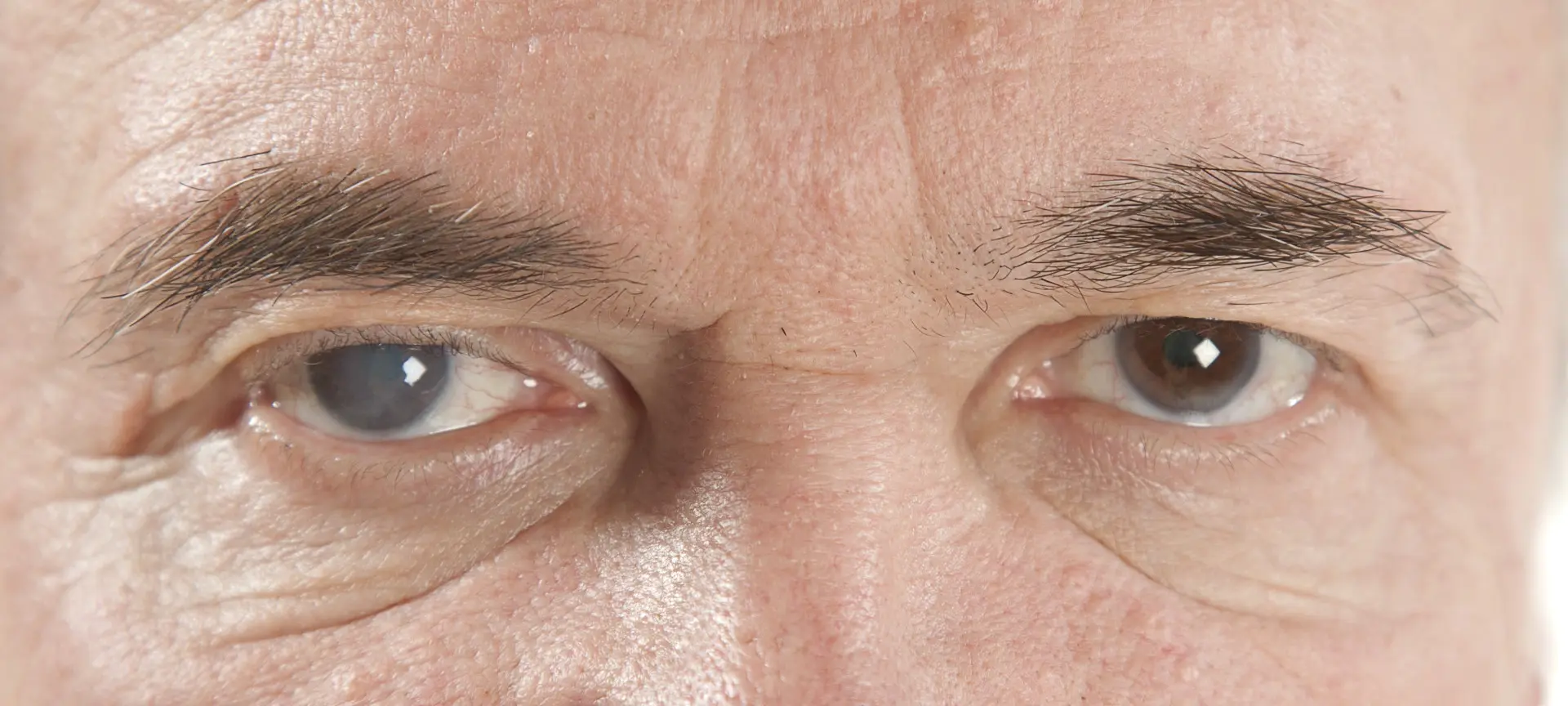
A cataract is a clouding of the natural lens in the eye, located behind the iris and pupil. The lens focuses light onto the retina, allowing us to see clearly. When this lens becomes cloudy, it causes vision to become blurry, hazy, or less colorful.
Cataracts typically develop slowly and are most commonly related to aging. However, they can also be caused by trauma, medical conditions like diabetes, certain medications (especially corticosteroids), and prolonged exposure to UV light.
Symptoms of Dry Eye
Cataracts often develop gradually, which means you may not notice vision changes right away. Common symptoms include:
- Blurry or cloudy vision
- Difficulty seeing at night
- Sensitivity to light and glare
- Seeing halos around lights
- Fading or yellowing of colors
- Frequent changes in eyeglass or contact lens prescriptions
- Double vision in a single eye
If you’re experiencing any of these symptoms, it’s important to schedule an eye exam. An optometrist or ophthalmologist can diagnose cataracts through a comprehensive eye exam.
Causes and Risk Factors
While aging is the most common cause of cataracts, other contributing factors include:
- Genetics: Family history may increase your risk.
- Medical Conditions: Diabetes, hypertension, and obesity are linked to cataract development.
- Medications: Long-term use of corticosteroids and certain other drugs can increase risk.
- Lifestyle Factors: Smoking, excessive alcohol use, and UV exposure are known contributors.
- Eye Injuries or Surgery: Past trauma or surgeries can cause secondary cataracts.
Diagnosis
Cataracts are diagnosed through a comprehensive eye exam, which may include:
- Visual acuity test – to assess how well you can read letters on a chart.
- Slit-lamp examination – to provide a magnified view of the structures at the front of your eye.
- Retinal exam – after dilating your pupils to check for lens clouding and other eye issues
Treatment Options
Treatment Options
In the early stages, cataracts can often be managed with stronger eyeglasses, magnifying lenses, better lighting, or anti-glare sunglasses. However, when cataracts begin to interfere with daily life, surgery is the only effective treatment.
Cataract surgery is one of the most common and successful procedures in the world. It involves removing the cloudy lens and replacing it with a clear artificial intraocular lens (IOL). The procedure is typically performed on an outpatient basis and has a very high success rate with minimal recovery time.
Preventing Cataracts
While you can’t always prevent cataracts, you can reduce your risk and delay their progression:
- Wear UV-protective sunglasses
- Stop smoking
- Eat a healthy, antioxidant-rich diet
- Manage underlying health conditions like diabetes
- Have regular eye exams, especially after age 40
Final Thoughts
Cataracts are a natural part of aging for many people, but they don’t have to mean the end of clear vision. Early detection and treatment can preserve your eyesight and enhance your quality of life. If you’re experiencing changes in your vision, don’t wait—book an eye exam and take the first step toward clearer sight.